

Supporting family often comes from a deep sense of responsibility. When multiple people rely on you in different ways, planning ahead can feel challenging. While some support is predictable, other needs can come up unexpectedly. When everything overlaps, it can create pressure, especially alongside your own bills, savings, and personal goals.
Over time, this pressure can make it hard to tell whether you are planning intentionally or simply reacting to what comes up. A few intentional practices can help make your support more manageable and sustainable.
Acknowledge patterns, not just moments
It is easy to think about each transfer on its own. But looking at your support over time can reveal patterns you might not notice otherwise, such as recurring monthly help, seasonal increases, or periods when unexpected needs tend to come up more often.
Taking a moment to review past transfers can help you understand what support is regular and what is occasional. That clarity makes it easier to anticipate future needs instead of reacting to them at the last minute. When you know which commitments are ongoing, you can plan around them with more confidence.
Having a clear view of your sending activity can make this easier. In your Pangea Dashboard, you can see how your transfers add up over time, who you support most often, and what your support is typically for. Seeing this information in one place helps turn patterns into something you can actually plan around.
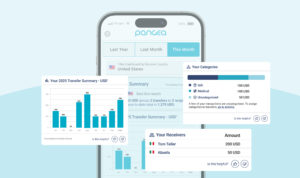
To learn more, read our latest blog: Introducing the Pangea Dashboard: Your Transfers in One Place.
When your support is spread across multiple people and months, having that context can make your decisions feel more confident and balanced.
Looking back at your sending activity can also help you spot moments when your support increased and understand why. To do this, log in to your Pangea account and view your 2025 Year In Review (make sure your app is up to date if you don’t see it). The insights there can give you a stronger foundation for planning ahead, instead of relying on memory alone.
Set clear personal limits
Supporting others does not mean saying yes to everything at all times. Think honestly about how much you can realistically send while still taking care of your own needs, including rent, bills, savings, and long term goals.
Setting limits with yourself is not about sending less. It is about sending sustainably. When you know what you can afford to support, decisions feel clearer and less stressful. You are less likely to feel guilt or pressure in the moment and more likely to feel confident about your choices.
Clear limits also help protect your own financial stability, which allows you to continue supporting others over time without feeling burned out or stretched too thin.
Separate regular support from emergencies
One helpful approach is to mentally separate predictable support from unexpected situations. Regular support, such as monthly help for essentials or school expenses, can be planned for and built into your expectations. Emergencies are different and often require flexibility.
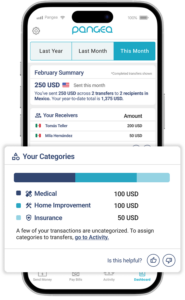
Having that context matters. In the Pangea Dashboard, categories can help you look back and understand whether a higher month was caused by an emergency, a one-time expense, or a regular commitment, so you can plan with ease next time.
Recognizing this difference can help you avoid treating every situation as urgent. When everything feels urgent, stress builds quickly. Giving yourself permission to pause and assess what truly requires immediate action can make a meaningful difference in how you manage support.
This separation also helps you respond more thoughtfully when unexpected needs arise, instead of feeling like every request puts your finances at risk.
Build in flexibility on purpose
Even with planning, surprises might happen. Medical needs, family events, or sudden expenses do not follow a schedule. Leaving some room in your finances for the unexpected can make those moments feel less overwhelming.
Flexibility does not require perfection. It simply means giving yourself space so that helping others does not immediately create stress for you. Even some extra room in your finances can help you feel more prepared and less anxious when something unexpected comes up.
Over time, building flexibility into your planning helps transform moments of stress into moments of support that feel more manageable.
Seeing your support in context
When support is spread across people and time, it helps to step back and look at the full picture. Understanding how often you send, who you support most, and how those commitments overlap can bring clarity and confidence.
For many people, having visibility into their sending activity makes it easier to plan ahead and feel confident in their decisions instead of relying on memory or guesswork. Seeing your support in context helps turn uncertainty into intention and allows you to approach future support with greater peace of mind.
When you’re supporting multiple people across different moments, having clarity can make all the difference. With tools like the Pangea Dashboard, you can better understand how your support adds up over time and make thoughtful decisions that balance caring for others with caring for yourself.
DISCLAIMER – This content is for informational purposes only. Pangea and its affiliates do not provide financial, legal, investment or tax advice